Feedstock Alchemy The Technician’s Guide to Waste-to-Energy
1. The Philosophy of Feedstock Alchemy
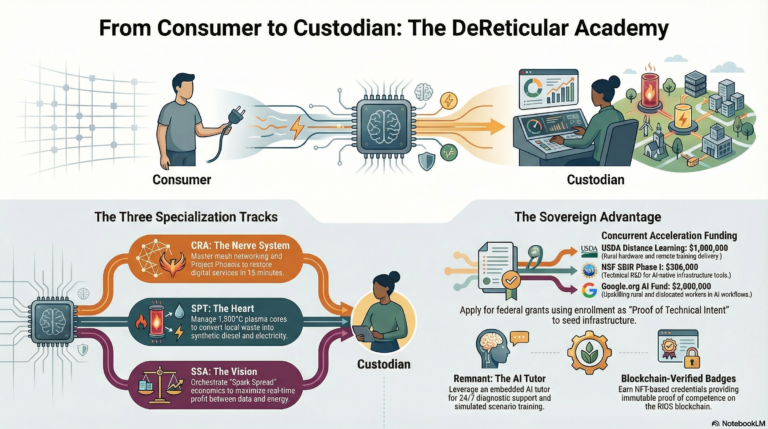
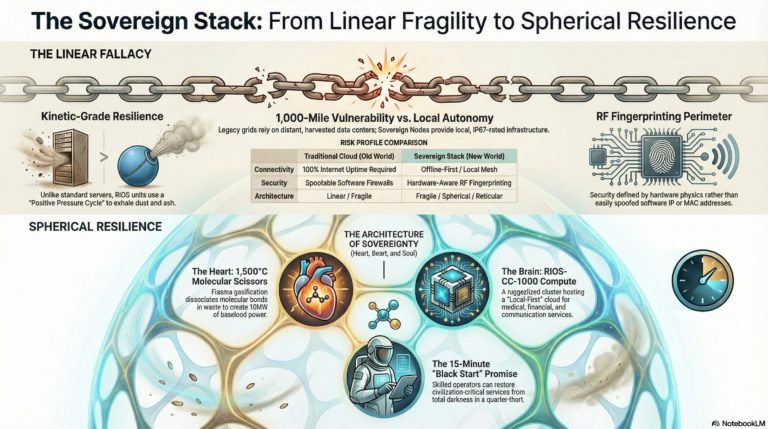
In current off-grid deployments, the difference between a dead node and a sovereign power station isn’t a better algorithm—it’s the technician’s mastery of thermal dynamics. You are not here to manage “trash”; you are here to harvest fuel assets. The heart of the Agra Power Core 2X is the “Molecular Scissor,” a system designed to perform thermal dissociation using plasma torches that scream at 1,500°C.
While the world obsesses over the “brain” of AI, you are the one powering the body. By applying the Fischer-Tropsch Application, we take raw carbon inputs and reorganize them. The math is absolute: C_n H_m + O_2 \rightarrow CO + H_2 \rightarrow \text{Liquid Fuels}. This isn’t just burning; it’s a chemical transformation that yields high-value Syngas and Vitrified Slag—an inert construction material, not the toxic ash left behind by primitive incinerators.
Molecular Dissociation: The process of using high-energy plasma torches to dissociate molecular bonds in waste materials at 1,500°C, transforming solids into syngas (CO + H_2) and liquid hydrocarbons while separating inert, vitrified slag from the gas stream.
Once the technician understands the molecular science of breaking bonds, they must learn to categorize the raw materials entering the system.
2. Categorizing the Sovereign Stack: Classes A, B, and C
To maintain a stable reactor, feedstocks must be categorized within the “Sovereign Stack.” You cannot treat a tractor tire like a pile of oak chips; the thermal response of the arc depends on the material’s origin and chemical structure.
| Feedstock Class | Material Examples | Core Origin |
| Class A | Wood chips, nut shells | Woody Biomass |
| Class B | Corn stover, rice husks | Agricultural Waste |
| Class C | HDPE Plastics, tires | Anthropogenic Waste |
While categorization helps with organization, the actual power output of the Power Core 2X depends on the energy density of these materials.
3. The Burn Chart: Caloric Values and Energy Density
The “Burn Chart” is your tactical map for 24/7 generation. We solve the “Intermittency Problem” of solar and wind—which offer no baseload—by utilizing high-density fuels to provide steady power. Anthropogenic waste provides the energy “punch” needed for Micro-GTL (Gas-to-Liquid) conversion, while biomass provides the steady floor for the RIOS Grid.
- HDPE Plastic: 8000 kcal/kg
- So What? This is your high-octane booster. It is the primary driver for producing synthetic liquid fuels (Diesel/Jet) for storage, but it requires precise monitoring to prevent pressure spikes.
- Oak Wood: 4000 kcal/kg
- So What? The standard for baseload reliability. It provides the consistent thermal mass required to keep the plasma arc stable over long shifts.
- Corn Stover: 3500 kcal/kg
- So What? A carbon-negative staple. While lower in density, it is the “Village Engineer’s” bread and butter for maintaining local grid stability without importing fuel.
High caloric value is useless, however, if the physical state of the fuel compromises the reactor’s thermal stability.
4. Operational Guardrails: Moisture Targets and Purity
The most frequent cause of “flameouts” in the field is wet feedstock. When you inject moisture into a 1,500°C environment, you create a massive thermal parasitic load. The energy that should be dissociating molecular bonds is instead wasted on the phase change of water, sucking heat away from the arc and destabilizing the core.
The Universal Moisture Target: <15%
Follow these prep steps to ensure the reactor stays in the “Green Zone”:
- [ ] Sort: Isolate high-moisture organics from Class C “dry” fuels.
- [ ] Size: Shred materials to a uniform surface area to ensure the plasma arc penetrates the fuel load instantly.
- [ ] Heat Recovery: Route excess system heat to grain dryers or pre-drying bins to lower moisture levels before the fuel hits the hopper.
- [ ] AgraSim Verification: Run a “Virtual Load” in the physics engine to check the predicted thermal response before manual injection.
Beyond moisture, the most dangerous threat to a Power Core 2X operator is the introduction of prohibited “No-Go” materials.
5. The “No-Go” List: Prohibited Materials and Risk Analysis
Certain materials don’t just “burn poorly”—they destroy the Sovereign Stack. If you feed the machine these items, you aren’t just an amateur; you’re a liability to the node and the environment.
| Prohibited Material | Critical Risk Factor |
| PVC (Polyvinyl Chloride) | Chlorine Gas Risk: Generates corrosive gasses that bypass scrubbers and eat through the reactor’s internal hardware. |
| Batteries | Pressure Vessel Rupture: Rapid chemical expansion causes extreme pressure spikes, triggering an Emergency Purge and risking a catastrophic explosion. |
| Heavy Metals | Slag Contamination: Destroys the “Vitrified Slag” classification, turning an inert byproduct into a hazardous waste liability. |
Mastering these safety boundaries is the final step before a technician can begin blending materials for optimal performance.
6. Synthesis: Crafting the Optimal Fuel Recipe
The ultimate goal of Feedstock Alchemy is Load Balancing. A master technician doesn’t just “dump trash”; they blend the stack to achieve a 50/50 balance between electricity for the RIOS Blockchain grid and synthetic fuel production for liquid storage.
By blending Class C (High Caloric) materials with Class A or B (Baseload), you maintain the 1,500°C reactor temperature required for carbon-negative operation. This “Fuel Recipe” is what keeps the node sovereign, ensuring the Micro-GTL system produces enough synthetic diesel to power local machinery while the grid stays lit.
——————————————————————————–
Technician’s Pro-Tip: During the 4-hour Endurance Run in the simulator, pay close attention to the Hour 2 transition. When you perform a Feedstock Switch (moving from Class A Wood to Class C Plastic), you must anticipate the Thermal Spike. Do not wait for the alarm; adjust your reactor temps and monitor your scrubbers early. A true “Keeper of the Flame” tames the plasma before the pressure purges start.
——————————————————————————–
This mastery of “Feedstock Alchemy” is what transforms a standard operator into a true Keeper of the Flame.